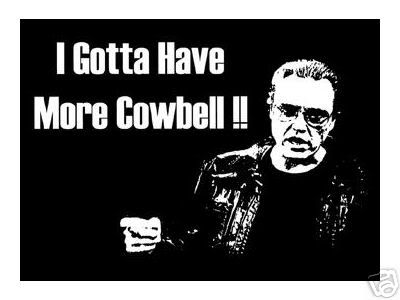
Chapter 17 is all about fallacies of argument, which is something of particular interest to me because they are used all the time in politics, and practically everybody gets away with it. You always have to take what political entities say about their competition with a grain of salt; political rhetoric is full of fallacies and intended to be divisive. Employment of fallacy for political gain is something I consider highly unethical because it assumes the audience to be ignorant fools who will believe whatever misinformation or spin is provided. Since most people are biased towards believing what they already feel and think is true, politicians and media outlets take advantage and intentionally steer their constituents and viewers with fallacious arguments that keep most people ignorant of the facts. The result is this incessant name-calling and demonizing that keeps our government almost literally unable to do anything at times, and motivates psychotic people to attempt assassinations of political figures. I'm the kind of person that values reconciliation over argumentation, so all I gotta say about this mess is "no sir, I don't like it."
Anyhow, here's a little summary of the different kinds of fallacies discussed in the reading. I studied fallacies last semester as well, and I like how the authors of our book organized them according to the rhetorical appeals they use:
Fallacies of Pathos
Scare tactics - Striking fear into people's hearts with exaggerations and/or complete falsehoods in order to motivate some behavior or spread some belief. If Obama succeeds in establishing peace in the Middle East, that means he is the antichrist.
Either-or arguments - Simplifying an argument into only two possible choices or courses of action. If you're not with us, you're against us. If you're not part of the cure, you're part of the disease. Support the Patriot Act or you're a terrorist.
Slippery slope - One small action or declaration will lead to some huge disaster, like an avalanche getting started by a single little snowball. Pretty soon we'll have people marrying animals with the government forcing churches to conduct the ceremonies!
Sentimental appeals - Excessive appeals to emotion, while ignoring the hard facts. Pretty much all news on TV does this.
The bandwagon - Everyone else is doing this, so you should too. Why it's a fallacy: It ignores the facts, rationale and assumptions that surround the issue. Having a large number of people supporting an idea does not make it the best choice just because there is a large number. A good argument provides all the facts and persuades its audience on the merits of those reasons.
Fallacies of Ethos
Appeals to false authority - Claiming something as hard evidence just because a certain person said so.
Dogmatism - Making a claim that no other arguments regarding a topic are possible or acceptable, just because. The tactic fails to provide any supporting evidence and is therefore a very weak argument.
Ad Hominem - Latin for "to the man," this tactic aims to discredit an argument by attacking the character of person who made it...like when people bring up Newt Gingrich's tainted personal history with his multiple marriages in attempt to discredit him as an upstanding representative of Christian American conservatism. Despite the fallacy, the fact still remains that he is a corrupt, condescending jerk.
Fallacies of Logos
Hasty generalization - A conclusion based on limited evidence, which can cause the formation of stereotypes. I saw some homeless people camped out at Occupy Wall Street, so the whole movement must be about bums demanding government handouts. Get a job, stinkin hippies!
Faulty causality - The assumption that one event was caused by another event, simply because one happened before the other. It's a fallacy when the two are really unrelated, or when the order in which things happen or the factors that cause them to happen is not correctly understood.
Begging the question - This one is hard for me to explain. Read about it on page 529.
Equivocation - Telling a lie or half-truth through clever use of language. An alcoholic at an AA meeting says, "I haven't had a beer in three months now." *applause* (neglects to disclose that he switched over to hard liquor and has been sneaking sips from his flask during bathroom breaks)
Non sequitur - Latin for "it does not follow." A conclusion that does not logically follow the claims and reasons behind an argument. See: Tea Party.
Straw man - The tactic of spinning or rephrasing an opponent's argument into a much weaker and more ridiculous concept, and then tearing it down with a counterargument. Politics and pundits, everywhere all the time.
Faulty analogy - Inaccurate comparisons between the present subject and other ideas or things. Obama is a modern-day Joseph Stalin. Let's make some memes that show how socialist he is.
Well, that's about it. The following comic is related to my introductory paragraph. It serves as a great example to prove my point, but whether it does so in my favor or not is up to your analysis.
 |